

For hundreds of years, horses and soldiers were inseparable. From ancient battlefields to the muddy trenches of the First World War, the cavalry charged into history together. Then came tanks, armoured vehicles and helicopters - and horses were left behind.
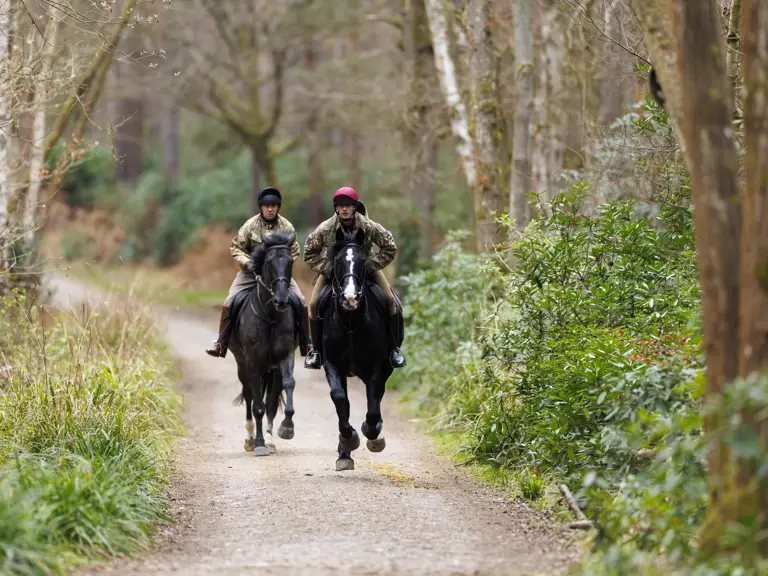
But here's the thing: they might be making a comeback.
A surprising experiment in Estonia
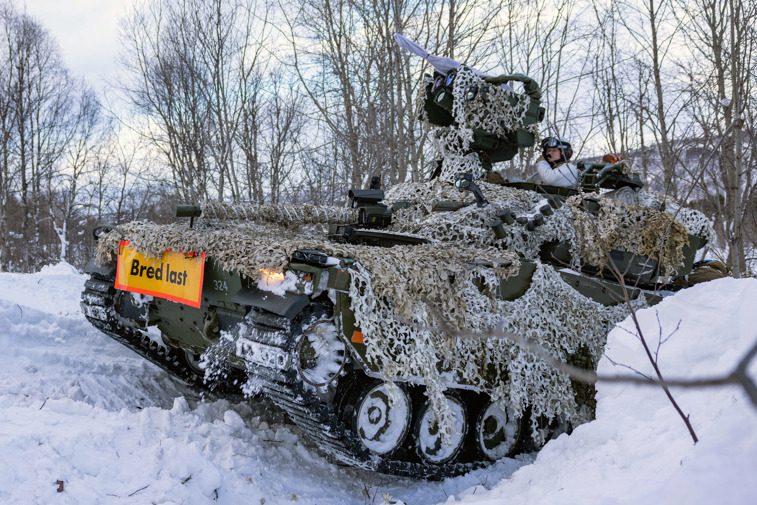
In the small Baltic country of Estonia, a group of around a dozen volunteers - including former soldiers - have formed their own horse-mounted unit within the Estonian Defence League. Their idea is simple but bold: in thick forests and boggy ground where heavy military vehicles get stuck, horses can go anywhere.
Estonia's army uses some seriously impressive kit - Swedish armoured fighting vehicles and Finnish all-terrain carriers. But this volunteer group believes that sometimes the oldest solution is the smartest one.
After testing their idea on exercises in southern Estonia, they say horses can outperform armoured vehicles in certain tough terrains.
It sounds mad. But the British Army was listening.
Back in the saddle
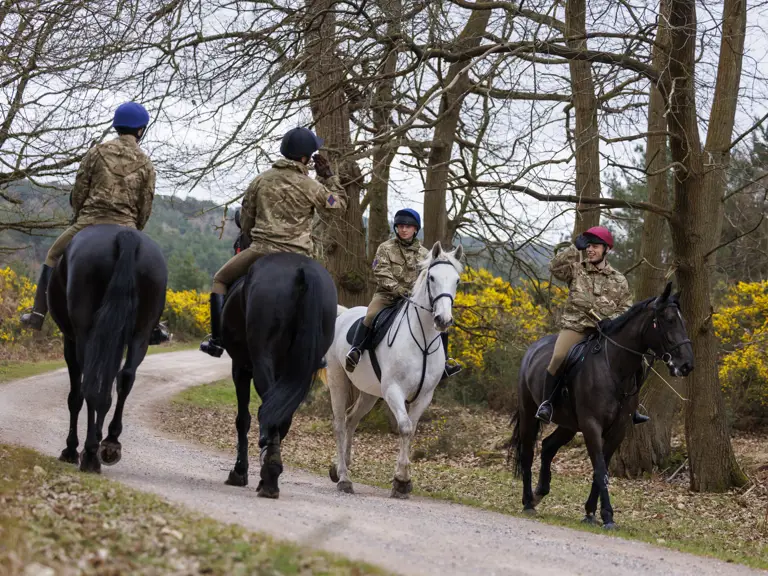
The Household Cavalry Mounted Regiment is one of the most famous units in the British Army. You've probably seen them - soldiers in gleaming helmets and polished boots, riding black horses at events like the King's Birthday Parade. They look spectacular. But these soldiers are also highly trained fighters, not just ceremonial soldiers.
Inspired by the Estonian experiment, the regiment recently added something brand new to their annual Princess Elizabeth Cup competition: a mounted navigation exercise.
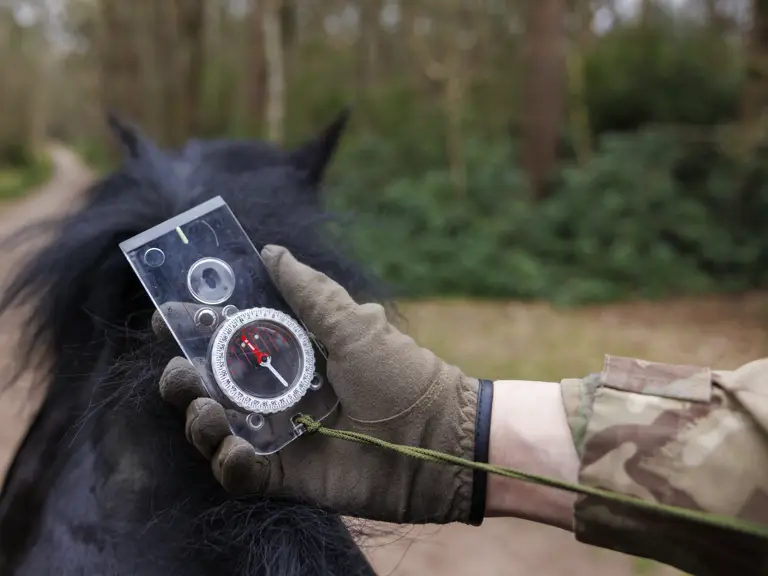
For the first time, soldiers had to find their way on horseback across the challenging terrain of Barossa Training Area, right at the heart of the Royal Military Academy Sandhurst. Armed with only a map and a compass - no GPS, no digital kit - they had to locate targets across difficult ground while staying in control of a powerful, sometimes unpredictable animal.
What it was actually like
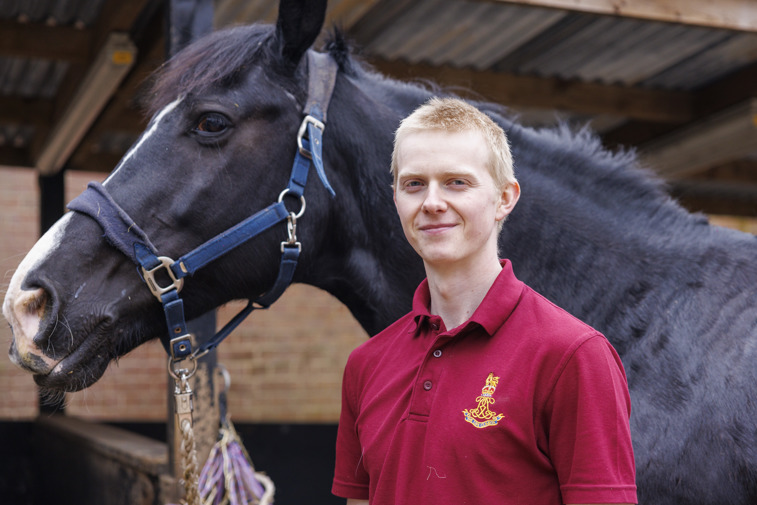
Trooper Newell, 21, from Slough, had been a Royal Marine before joining The Life Guards. He thought his hours of navigation training on Dartmoor would give him an edge. He was wrong.
"It was pretty rough at the start trying to find my bearings," he said. "It's a completely different experience being mounted on a horse. There was thick gorse, deep mud and dense woodland. The horses loved it, but navigating with just a map and a compass in that terrain was tough. It was also pretty hairy when the horses heard gunfire on the ranges, there was a lot of rearing up and spinning round. It’s a serious challenge trying to keep your horse under control while also following the map."
Trooper Speirs, just 18 and from Nottingham, had never ridden off a road or pavement before. He was representing The Blues and Royals and was so keen to take part that he cut short his leave to be there.
"It was incredible to ride through the woods, especially at speed!" he said. "My horse Passchendaele is really fast - he spooks at a lot of things. Some signs swinging in the wind had him rearing up, but I stayed on and kept going. Reading a map while trotting though is really hard!"
Why does this matter?
Lieutenant Colonel Ben McNeil, the regiment's Commanding Officer, explained the thinking clearly:
"The only way we can be better as soldiers is to do the basics well. A cavalryman is platform-centric whatever that platform is - a horse or an armoured vehicle. If you can navigate while riding an unpredictable, powerful animal, you're exercising every part of your brain at once, and if you can keep calm in all that chaos you can be a formidable force to reckon with, whatever the context."
"The only way we can be better as soldiers is to do the basics well. A cavalryman is platform-centric whatever that platform is - a horse or an armoured vehicle."
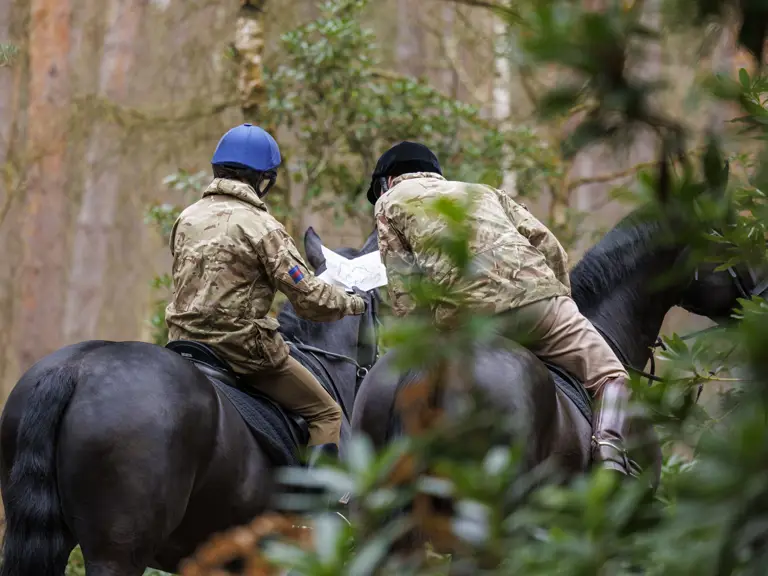
The 77 year old Princess Elizabeth Cup competition has been updated to reflect what the modern army actually needs. Soldiers are now tested on fitness, marksmanship, navigation and combat resilience - not just their riding and ceremonial skills. The winner receives a silver cup from The King himself at the Royal Windsor Horse Show in May.
The future
Nobody is suggesting cavalry horses will replace tanks. But pack animals have already been used by allied forces in the mountains of Afghanistan and in the Balkans in recent times. The lesson from Ukraine and the Middle East is clear: modern warfare demands creativity, adaptability and, sometimes, going back to basics.
If the terrain demands it, the cavalry will be ready.

The Duchess of Edinburgh opens Sandhurst facility for Army musicians
