

Imagine walking into a pen with a horse the size of a small car — one that pulls a field gun for a living — and discovering that it could help change your life.

That's exactly what happened for ten soldiers who recently took part in the Warrior Equine Course in Mental Resilience, a three-day programme held in Woolwich. And the results were remarkable.
What is the Warrior Equine Course?
This isn't your typical therapy session. Soldiers work alongside horses — powerful animals usually seen hauling 13-pounder Field Guns at ceremonial events. But here, they're doing something very different. They're acting as a mirror.
"Horses are incredibly good at mirroring whatever energy and emotions we are putting out — they will mirror them right back at us."
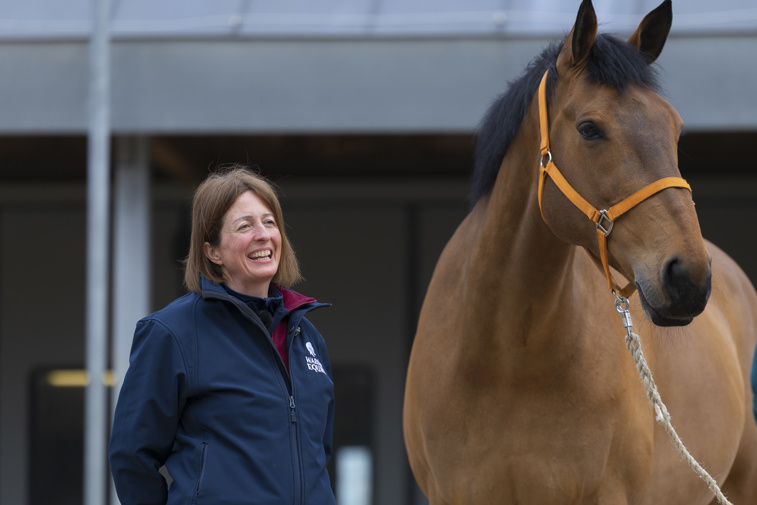
Ele Milwright, Founder and CEO of Warrior Equine, explains it simply: "Horses are incredibly good at mirroring whatever energy and emotions we are putting out — they will mirror them right back at us."
That means if you walk into the pen feeling anxious or tense, the horse will show it. And crucially, when you learn to calm yourself down, the horse calms down too. It's instant, honest feedback — and you don't need to say a single word.
The course uses what's called 'groundwork' — interacting with horses on the ground rather than riding them. Horses are naturally very sensitive to human body language, which makes them surprisingly brilliant teachers when it comes to managing emotions.
Overcoming PTSD

Dan, a soldier in the Grenadier Guards, had never spent time with horses before the course. His Commanding Officer had suggested he attend, and by day two he was already doing something extraordinary.
Working with Basil, a King's Troop Charger, Dan was able to use his breathing, posture and body language alone to send Basil into a gallop — and then, within seconds, slow him to a walk and bring him in close for a nuzzle. No commands. No reins. Just self-control.
Dan is dealing with PTSD, and he felt the course was already helping him recognise and manage his emotions in ways that would make further treatment more effective. Two days in, and the change was already visible.
Not alone

Katelin, from the Band of the Irish Guards, was equally positive. She said she'd recommend the course to anyone — not just for the work with horses, but for the chance to talk with others who understood.
One of the biggest things she took away was realising she wasn't alone. Knowing that others felt the same way gave her confidence, helped her cope, and made the whole group stronger together.
Why it works

The Warrior Equine Course has been running since 2014 and is widely recognised as a highly effective way to support mental health. Participants learn to regain control of their emotions, rebuild confidence, and handle the ups and downs of life in the military.
Importantly, the course is completely confidential and independent from military service. The instructors — who include equine specialists, life coaches and psychotherapists, some with their own experience of service — are not serving personnel. It's a safe space, away from the pressures of uniform.
This particular programme was delivered by qualified Warrior Equine instructors, supported by staff from The King's Troop Royal Horse Artillery and coordinated by Headquarters London District. It blends learning in the classroom with hands-on time with the horses, in a carefully controlled and supportive environment.
Warrior Equine is a Community Interest Company whose mission is to support Armed Forces personnel, veterans, and emergency services workers dealing with PTSD, anxiety, and confidence issues. It has recently been named the Official Show Charity for the 2026 Royal Windsor Horse Show.
Open to all soldiers

Soldiers who think the Warrior Equine Course may benefit them should contact their unit welfare officer. They will receive information on upcoming courses and be supported through the process of accessing the programme.
The course helps those attending see they don't have to face their problems alone. Many personnel leave the course after discovering that a horse can be one of the most honest and unexpected sources of support they have ever had.

Outstanding new Soldiers’ Centre opens for new recruits

Life as a British Army Chaplain: Caring for the Army’s people
