

A special new military troop has been created to remember the brave Sikh soldiers who fought for Britain in the First World War.


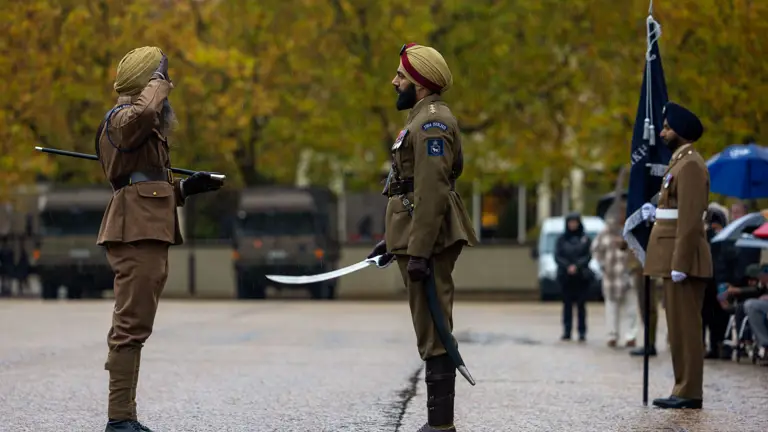
A special new military troop has been created to remember the brave Sikh soldiers who fought for Britain in the First World War.
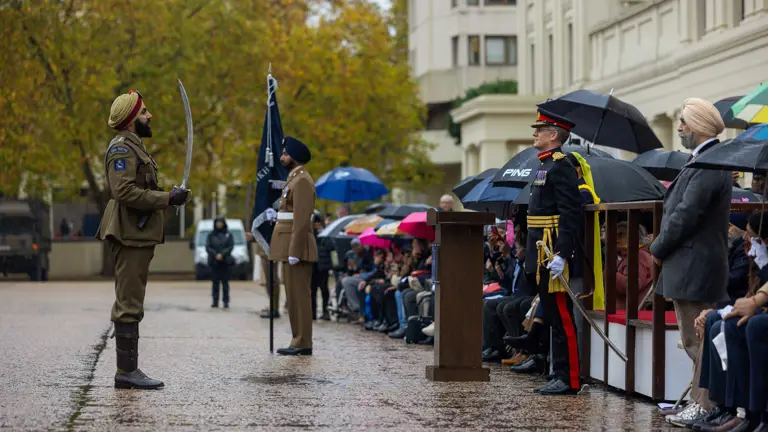
Major Daljinder Singh Virdee is pictured with Major General John Kendall.
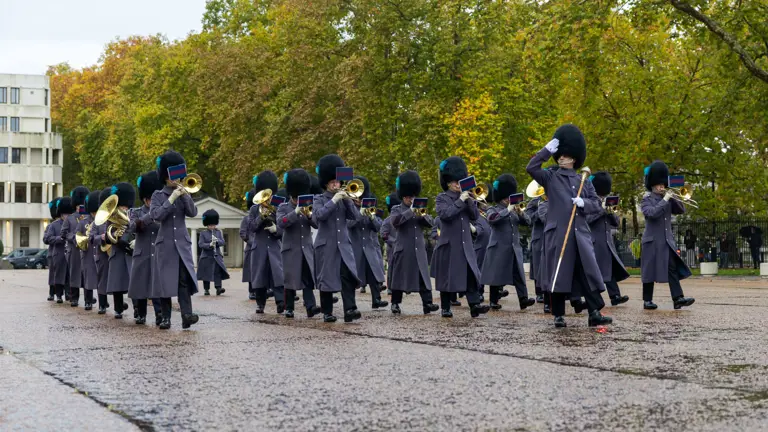
Members of the Irish Guard band march on parade.
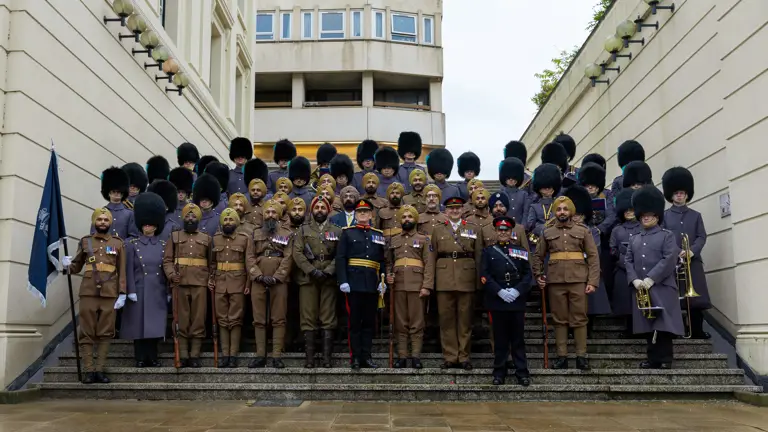
A group photo of the new ceremonial troop.
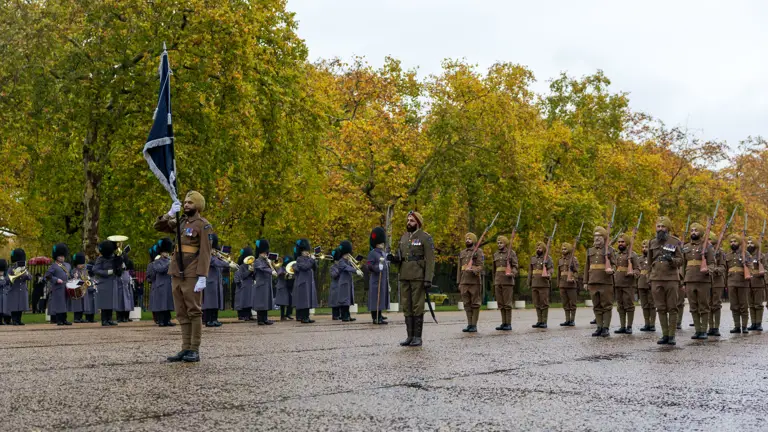
Members of the 1914 Sikhs stand on parade.
The 1914 Sikhs Ceremonial Marching Troop was launched last month at Wellington Barracks in London, next to Buckingham Palace. It is the first troop of its kind.
The Sikh Military Foundation worked with the British Army to create this historic event. It honours more than 100,000 Sikh soldiers who fought for Britain between 1914 and 1918.
“From the battlefields of the Great War to modern day operations across the globe, Sikh soldiers have served with courage, loyalty and distinction.”
A special ceremony
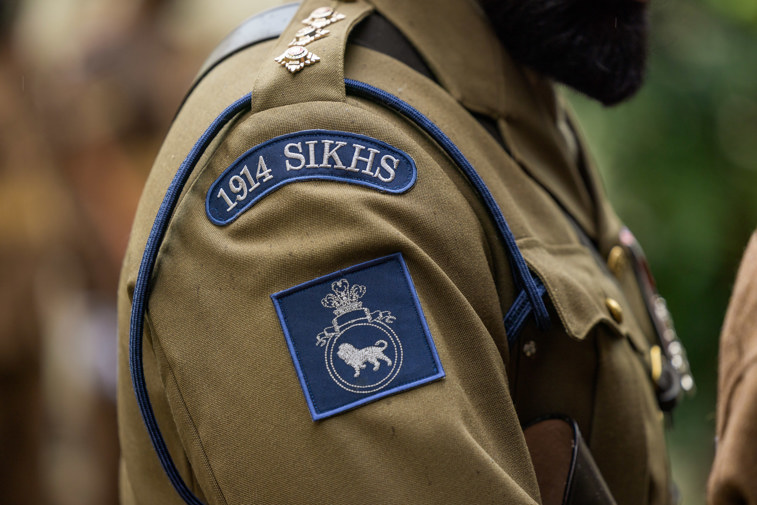
Major Daljinder Singh Virdee led the 1914 Sikhs onto the parade ground. The soldiers wore real First World War Sikh infantry uniforms and carried period equipment like Lee Enfield rifles.
Most of the troop members are serving personnel from the Royal Navy, Army and RAF. Each one represents the proud fighting tradition of Sikh soldiers.
The Irish Guards band played military music as soldiers marched in authentic 1914 Sikh uniforms.
The ceremony mixed remembrance of the past with today's discussions about diversity and belonging in the British Army.
War cry!
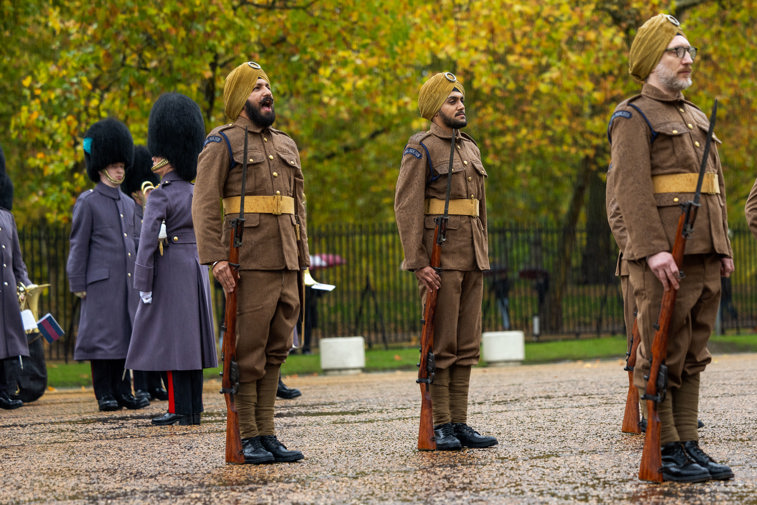
After an inspection by Major General John Kendall, the Deputy Commander of the Field Army, and Mr Gurpreet Singh Anand, the soldiers said the Ardaas (a martial prayer) and gave the Sikh War Cry: "Jo Bole So Nihal, Sat Sri Akal," meaning "Whoever utters [this] shall be fulfilled; True is the Great Timeless One".
The 1914 Sikhs Standard was presented and a remembrance service for those killed in the First Battle of Ypres was held.
Simran Singh Stuelpnagel read a letter from a Sikh First World War soldier and The Last Post and Reveille marked a one minute’s silence.
The 1914 Sikhs then marched past the General with great pride to begin their duties.
“The strength of our armed forces and their ability to deter, fight and win, depends critically on the courage, skill and unity of our people. The Sikh community’s proud tradition of courage and commitment continues to play a vital role in our national security, and initiatives like the 1914 Sikh Ceremonial Troop ensure that legacy is recognised and carried forward.”
Keeping history alive
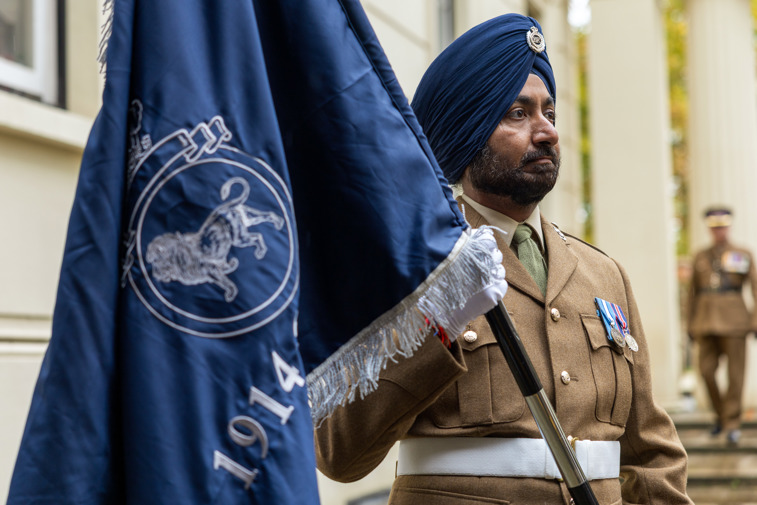
Many people today do not know about the sacrifices made by Sikh service personnel. The new ceremonial troop will remind people of this history through public appearances across London.
The project is part of the Sikh Military Foundation's work to preserve and promote Sikh military heritage.
Chair of the House of Commons Defence Committee, Tanmanjeet Singh Dhesi MP explained: “From the battlefields of the Great War to modern day operations across the globe, Sikh soldiers have served with courage, loyalty and distinction.”
Service and sacrifice in the First World War
Sikh beliefs combine spiritual discipline with protecting others and upholding justice. This shaped how Sikhs served on First World War battlefields.
Over 100,000 Sikhs served in the Indian Army during the First World War. They made up nearly 20% of forces in France and Belgium, even though Sikhs were only 2% of India's population.
The black lions of Flanders
They fought in every major area: Flanders, Gallipoli, East Africa, Mesopotamia and Palestine. The cost was heavy - at least 8,000 were killed and more than 21,000 were injured.
Sikh troops were among the first Indians sent to fight on the Western Front. At Ypres, the Lahore Division held their positions under constant attack. Some Sikh battalions lost over 75% of their men but kept fighting with determination.
Their courage impressed both sides. German soldiers called them "the black lions of Flanders".
A lasting bond
The sacrifice of Sikh soldiers created a lasting bond with Britain that continues today.
Sikhs still serve with pride across the Royal Navy, Army and RAF.
Chief of the Defence Staff, Air Chief Marshal Sir Richard Knighton said: “The strength of our armed forces and their ability to deter, fight and win, depends critically on the courage, skill and unity of our people. The Sikh community’s proud tradition of courage and commitment continues to play a vital role in our national security, and initiatives like the 1914 Sikh Ceremonial Troop ensure that legacy is recognised and carried forward.”
Today’s service personnel show the same courage, loyalty and duty as those who fought at Ypres.
The 1914 Sikhs ceremonial troop now march in their honour, keeping their legacy alive for future generations.

Duke and Duchess of Edinburgh attend VJ80 commemoration in Edinburgh Castle

