The Ranger Regiment

The Ranger Regiment is a land special operations regiment, operating and fighting by all means alongside partners world-wide. It consists of four Ranger Battalions and is the core of the Army Special Operations Brigade. The Special Operations Brigade serves as the leading edge of the land special operations enterprise. It is NATO-focussed, offering insight, access and choice across the spectrum of conflict.

Our Role
The British Army exists to fight and win wars on land. By extension, The Ranger Regiment’s priority, as a NATO-focussed Land Special Operations Force, is also warfighting. Being a part of the leading edge of this enterprise includes:

  • Developing relationships with partners with whom we will operate and fight alongside in crises or at war.
  • Persistently deployed overseas, we gather information to inform targeting.
  • We contribute to NATO Operational Plans and are prepared to: 
    • Support host nation National Defence Plans around the globe.
    • Fight as an integrated part of NATO Special Operations Forces.
    • Enable the Joint Force.

Our Ethos

Rangers are expected to operate in small teams and often at reach globally. Teams have to be trusted to get the correct balance when working to their commander and the requirements of their partners. The British Army’s values and standards provide our foundation. As a regiment we build upon these through four core principles. Combined they create our ethos:

Empathy 
We must see the world through the eyes of others. This is why diversity and inclusion are at the heart of our operational foundation – not just extras. 

Humility 
How we do something is often more important than what we do. Our attitude and approach are critical to our operational success. 

Self-discipline 
We always do the right thing particularly when no one is watching. This breeds trust in one another and in the regiment as a whole. Trust breeds operational freedom. 

Judgement 
Special operations solve difficult problems that carry great risk. Making good decisions is fundamental to their success.

Our History
The term ‘ranger’ was used as far back as the 13th Century, but in the late 17th Century it took on its military meaning to describe highly trained forces who reconnoitred and fought deep in enemy territory. Ranger units were made up of irregulars and frontiersmen who scouted and raided for the British Army in the dense forests of North America. 

The most famous of these units was led by Captain Robert Rogers. Known as Rogers’ Rangers it fought in the 1754-1763 French and Indian War. Rogers’ missions were similar to today’s special operations: they were high risk, often occurred well away from the main force, and lacked intimate support. Ranger units specialised in unconventional warfare (ranging the forests) supporting friendly Native North American forces and combating hostiles ones who supported the French. 

Ranger units were disbanded at the end of the American War of Independence in 1783. Shortly after the experimental rifle corps was created at Shorncliffe Barracks drawing on the lessons of units like Rogers’ Rangers. One of the first new units created was The Royal American Regiment and is likely to have included soldiers who had previously served as rangers. 

As time moved on four regiments incorporated the term ‘ranger’: The Central London Rangers, The Connaught Rangers, The Royal Irish Rangers, and The Sherwood Rangers Yeomanry. However, the use of the term did not align with its historical irregular function. 

The Ranger concept was revived in the Second World War. The British Army raised many ‘Special Warfare’ units which focused on raiding and included the Long Range Desert Group (LRDG), Special Air Service (SAS) and Special Boat Service (SBS), deception (A & R Forces), guerrilla action (V Force), interception (GHQ Liaison Regiment – Phantom), and innovation (S & T Forces). 

V Force’s role was similar to Ranger units of the past. Created by Field Marshall Archibald Wavell in 1942 they were commanded by an eclectic mix of Army officers, both retired and serving, civil servants, and tea planters. V Force’s key skills were an understanding of local languages, culture, terrain, and the broader environment. The core of the force were local tribesmen, and their motto was ‘By, With, And Through’. They conducted guerrilla operations against the Japanese in the jungles of Burma and enabled joint force manoeuvre in the wider theatre.

On 1 Dec 2021, The Ranger Regiment was formed. Whilst recruiting from All Arms of the British Army, it was founded on four infantry units: The First Battalion, The Royal Regiment of Scotland; The Second Battalion, The Princess of Wales’s Royal Regiment; The Second Battalion, The Duke of Lancaster’s Regiment; and The Fourth Battalion, The Rifles Regiment. The Defence Command Paper directed these units be ‘able to operate in complex, high-threat environments, taking on some tasks traditionally done by Special Forces’.

Operations

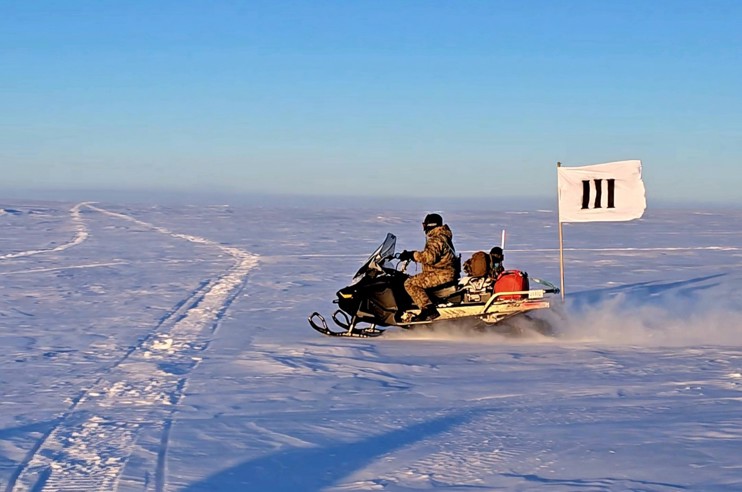
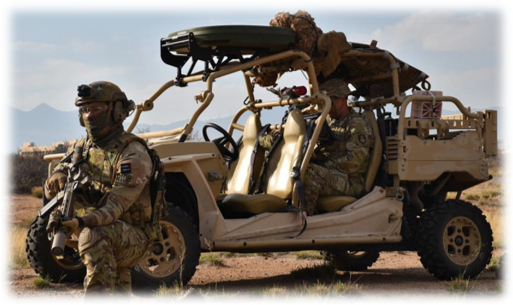
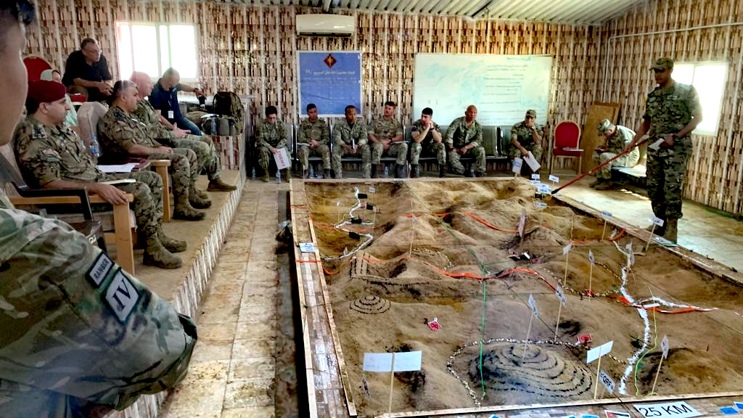
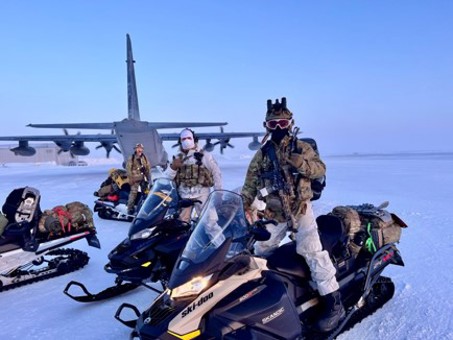
Rangers are persistently deployed globally alongside partners. The four Ranger Battalions are geographically aligned with 1 RANGER operating in Southern Europe, 2 RANGER in Africa, 3 RANGER in Northern Europe, and 4 RANGER in the Middle East and Indo-Pacific.

1 RANGER operate in Southern Europe

2 RANGER operate in Africa
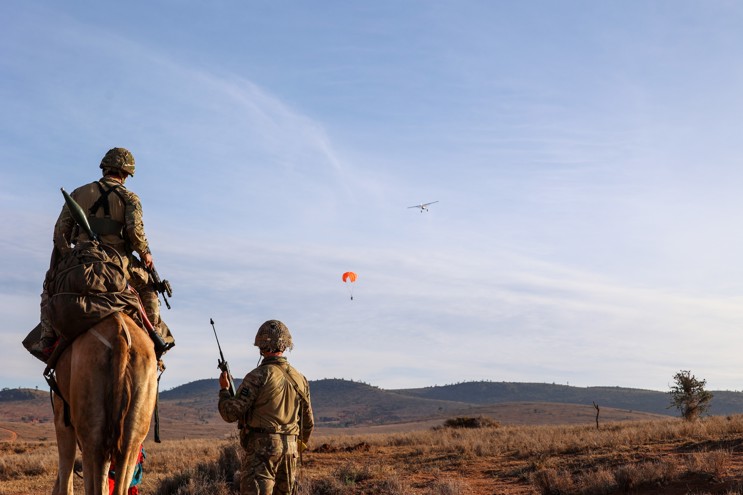
3 RANGER operate in Northern Europe
4 RANGER operate in Middle East and Indo-Pacific
Our People and Skills

Rangers are: 

Uniquely selected and trained. 
We are a volunteer organisation selected and trained to operate overtly or discreetly in complex, high-risk environments, alongside partners. 

Experts in the fundamentals. 
Our ability to move, shoot, fight, communicate, and medicate underpin all our operations. These are complemented by our specialist skills and equipment. 

Partner-focussed, world-wide. 
Our partnerships are everything. They are forged by our persistent global footprint and deliver insight, influence, and access world-wide. 

Integrators and multipliers
We bring together people and capabilities to solve difficult problems. Our maturity, experience, and diverse range of skills held in small teams make us force multipliers.

Our People

•    Leads operational planning
•    Commands on Operations
•    Liaises Up and Out
•    Manages finances and policy
•    Team Second-in-Command
•    Leads Training
•    Leads on Operations
•    Assist Planning
•    Responsible for sustainment
•    Communications expertise
•    Uncrewed Systems expertise
•    Demolitions expertise
•    Counter-Improvised Explosive Device
•    Joint Terminal Attack Controller and Fires expertise
•    Foreign and Support Weapons expertise
•    Unconventional Warfare expertise
•    Special Reconnaissance expertise
•    Intelligence analysis and Tactical Questioning expertise
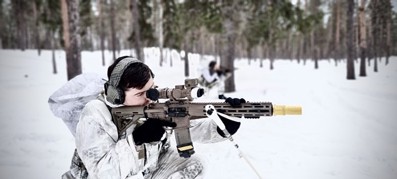
•    Combat Medical Technician
•    Leads medical training 
•    NATO Special Operations Combat Medic
•    Advanced Team Medic
•    Environment-specific medical treatment expertise
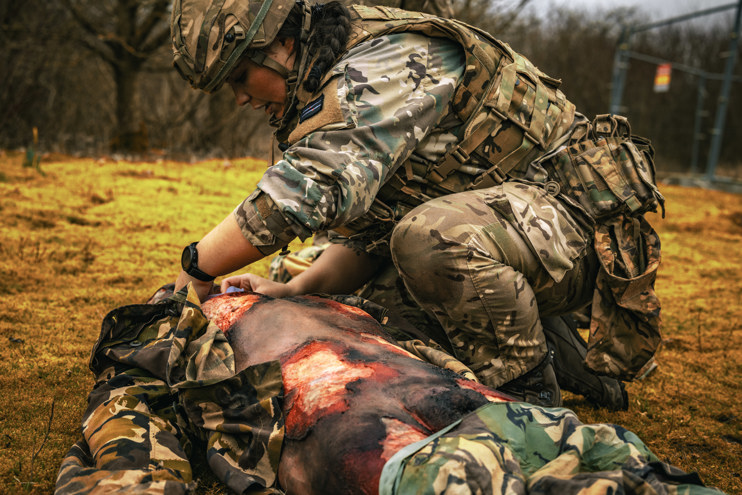
•    Force Protection
•    Driving
•    Support to all disciplines
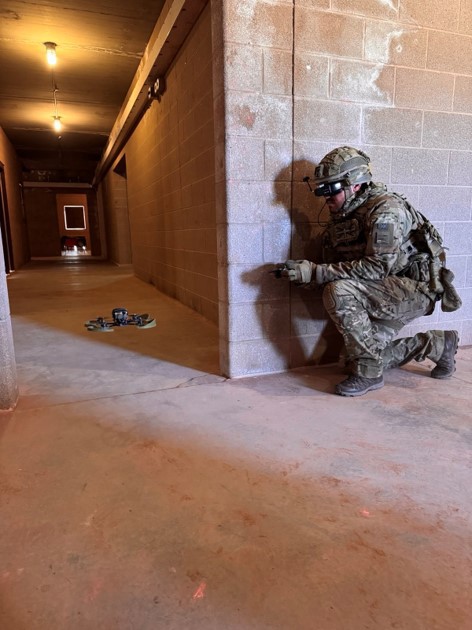
Selection Process

The Ranger Preparation Course (RPC) is designed to inform and prepare potential candidates about the pathway to join the Ranger Regiment through the Ranger Assessment Cadre, soon to evolve into the Ranger Qualification Course (Initial Assessment) (RQC(IA)) and the All-Arms Ranger Course (AARC), soon to evolve into the Ranger Qualification Course (RQC). The RPC runs on the last Friday of every month.
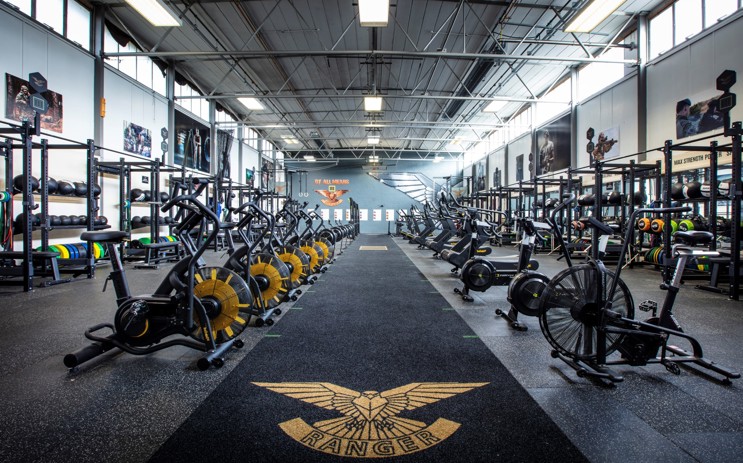
The following are the physical standards expected of candidates attending the RAC / RQC(IA) & AARC / RQC:

•    Candidates will be expected to meet the following standards on the first day of the cadre, failure to meet this standard will result in the Candidate being RTU.  
•    Complete a 9-mile/15km loaded March with 20.5kg (not including water or weapon).

Students will be expected to meet the following standards in week one of the course, all are formative assessments which will be included in the student’s course report and performance grading.   

•    Complete a 2-mile/3.2km speed march as an individual while carrying Webbing and Daysack weighing 15.5kg (*Rifle and Helmet not included in weight) Students are required to complete the march in no more than 18 minutes.  
•    Students are required to achieve a minimum of Level 7 on all elements of the Soldier Conditioning Assessment (SCA).
•    Complete a 3-mile/4.8km speed march as an individual while carrying Webbing and Daysack weighing 15.5kg (*Rifle and Helmet not included in weight) Students are required to complete the march in no more than 33 minutes. 
•    Complete a 12-mile/19.3km speed march as an individual while carrying bergen weighing 21kg (*Rifle not included in weight) Students are required to complete the march in no more than 3 hours
•    Hang Test. All students will be required to pass a hang test:
o    The unencumbered hang test. Students are required to hang on the rope for 25 seconds using only their arms, with their feet raised into a seated position. 
o    The encumbered hang test. Students are required to hang on the rope for 15 seconds whilst encumbered with 30kg, with use of their legs.

Serving soldiers should follow this QR code to the Defence Connect page in order to apply: